
 Jacob Asher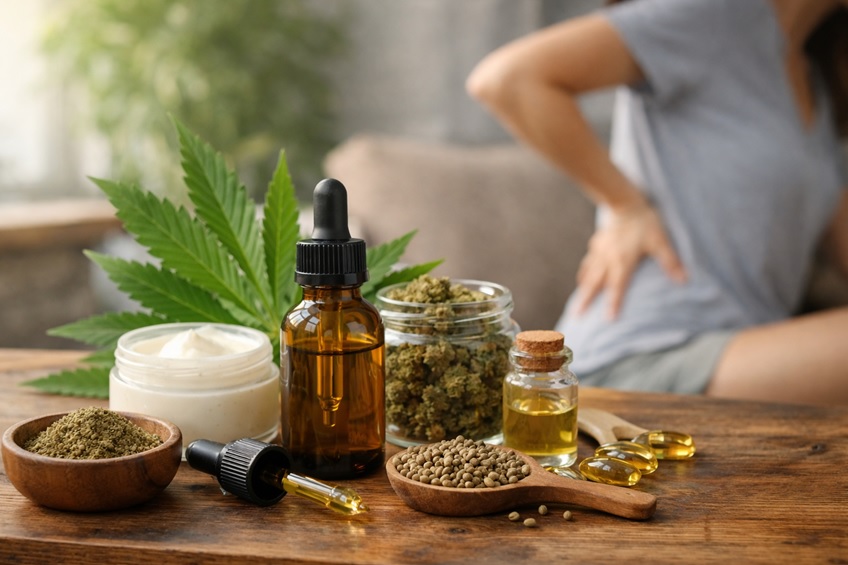
Millions of people around the world live with some form of pain, from temporary aches to persistent, chronic conditions. This has led to a growing interest in natural and alternative remedies that can offer relief without the side effects of traditional medications. In this search, Cannabidiol, or CBD, has emerged as a promising and popular option.
But what does science say? Are CBD products genuinely beneficial for pain relief? This comprehensive guide will explore how CBD works, the types of pain it may help manage, and what to consider before trying it. We will look at the scientific evidence, compare different product types, and provide tips for choosing a safe and effective product.
How Does CBD Work for Pain?
To understand how CBD may help with pain, we need to look at the body’s endocannabinoid system (ECS). The ECS is a complex cell-signaling system that plays a crucial role in regulating a range of functions and processes, including sleep, mood, appetite, and pain sensation. It consists of endocannabinoids (compounds our bodies produce), receptors, and enzymes.
CBD is a cannabinoid derived from the cannabis plant. Unlike its more famous cousin, THC (tetrahydrocannabinol), CBD is not psychoactive, meaning it won’t make you feel “high.” Instead, it interacts with the ECS in a more indirect way.
It is believed that CBD influences the body’s endocannabinoid receptors, particularly CB1 and CB2 receptors. By interacting with these receptors, CBD may help reduce inflammation and alter pain signals. It may also increase the levels of endocannabinoids in the body by inhibiting the enzymes that break them down. Through these mechanisms, CBD helps the body’s own systems to manage pain and restore balance.
What Types of Pain Can CBD Help Alleviate?
Research into CBD’s effects on pain is ongoing, but current evidence suggests it may be beneficial for several types of pain.
Chronic Pain
Chronic pain is persistent pain that lasts for weeks, months, or even years. Some studies suggest that CBD may help manage chronic pain by reducing inflammation and interacting with neurotransmitters. People with conditions like fibromyalgia and multiple sclerosis have reported improvements in their pain levels after using CBD.
Arthritis Pain
Arthritis is a leading cause of disability, characterized by joint inflammation and pain. Due to its anti-inflammatory properties, CBD is a popular choice for those with arthritis. Animal studies have shown that topical CBD application can help lower inflammation and pain associated with arthritis. Many users report that CBD oils and creams help soothe their aching joints.
Neuropathic Pain
Neuropathic pain is caused by damage to the nerves. It’s often described as a shooting or burning pain and can be difficult to treat. Research indicates that CBD may help calm this type of pain by targeting specific receptors in the brain and nervous system that are involved in pain signaling.
Inflammation
Inflammation is the body’s natural response to injury, but when it becomes chronic, it can lead to various health issues and persistent pain. CBD has demonstrated significant anti-inflammatory properties in numerous studies. By reducing inflammation, CBD can help alleviate the pain that often accompanies it.
The Scientific Evidence Supporting CBD for Pain Relief
While anecdotal reports are plentiful, scientific research is key to understanding CBD’s true potential. The findings so far are promising.
- A 2020 systematic review published in the journal Cureus analyzed multiple studies and concluded that CBD could be an effective option for reducing pain and inflammation across various conditions, including arthritis and multiple sclerosis.
- Another report from the National Academies of Sciences, Engineering, and Medicine found substantial evidence that cannabis (which contains CBD) is an effective treatment for chronic pain in adults.
- Animal studies have also provided strong support. For example, a study published in the European Journal of Pain used an animal model to see if topical CBD could help with arthritis-related pain. Researchers found that applying a CBD gel significantly reduced joint swelling and pain-related behaviors with no evident side effects.
It is important to note that much of the research involves cannabis products containing both CBD and THC, making it difficult to isolate the effects of CBD alone. More high-quality human trials focused specifically on CBD are needed to draw definitive conclusions.
Comparing Different CBD Products for Pain Relief
CBD comes in various forms, and the best one for you will depend on the type of pain you’re experiencing and your personal preferences.
- CBD Oils and Tinctures: These are liquid extracts taken sublingually (under the tongue). This method allows for rapid absorption into the bloodstream, with effects often felt within 15 to 45 minutes. They are great for systemic, all-over pain relief. The main downside can be the earthy taste.
- CBD Topicals (Creams, Lotions, and Balms): Topicals are applied directly to the skin over a specific area of pain, such as a sore joint or muscle. This provides targeted, localized relief without the CBD entering the bloodstream. Topicals are excellent for arthritis or muscle aches.
- CBD Edibles (Gummies and Capsules): Edibles are ingested and must pass through the digestive system. This means the onset time is slower (30 minutes to 2 hours), but the effects are often longer-lasting. Capsules offer a tasteless, pre-measured dose, while gummies provide a more enjoyable flavor.
How to Choose High-Quality CBD Products?
The CBD market is largely unregulated, which means product quality can vary significantly. To ensure you’re getting a safe and effective product, follow these tips:
- Look for Third-Party Lab Testing: This is the most important factor. A reputable brand will have its products tested by an independent lab to verify their potency and purity. The results, often called a Certificate of Analysis (COA), should be easily accessible on the company’s website.
- Check the Ingredients: Read the product label to see what’s inside. Look for CBD sourced from domestically grown hemp. Be aware of other ingredients, especially in topicals, which may include helpful botanicals like menthol or arnica.
- Understand the Type of CBD:
- Full-Spectrum: Contains all cannabinoids from the hemp plant, including trace amounts of THC (less than 0.3%). This can produce the “entourage effect,” where the compounds work together synergistically.
- Broad-Spectrum: Contains a range of cannabinoids but has the THC completely removed.
- CBD Isolate: This is the purest form of CBD, with all other plant compounds removed. It is a good option for those who want to avoid THC entirely.
Safety and Potential Side Effects
CBD is generally considered safe and well-tolerated by most people. However, some potential side effects can occur, especially at higher doses. These may include:
- Fatigue or drowsiness
- Dry mouth
- Diarrhea
- Changes in appetite or weight
CBD can also interact with certain medications, particularly those that come with a “grapefruit warning,” such as blood thinners. It competes for liver enzymes that metabolize many drugs, which could lead to higher levels of those medications in your system. It’s crucial to talk to your doctor before starting CBD, especially if you are taking other medications.
Is CBD Right for Your Pain?
CBD products offer a promising natural alternative for managing various types of pain, from chronic conditions to localized muscle soreness. Its ability to interact with the body’s endocannabinoid system to reduce inflammation and alter pain signals is supported by a growing body of scientific evidence.
While not a cure-all, CBD can be a valuable tool in a comprehensive pain management plan. The key is to choose high-quality products from reputable brands and to find the right form and dosage for your specific needs. As always, consulting with a healthcare professional before starting any new supplement is the best way to ensure it’s a safe and appropriate choice for you.
Frequently Asked Questions (FAQs)
Q 1. Will CBD make me feel high?
No, CBD is a non-psychoactive compound and does not produce the “high” associated with THC. CBD products legally sold in the U.S. must contain less than 0.3% THC, which is not enough to cause psychoactive effects.
Q 2. How do I find the right CBD dosage for pain?
There is no one-size-fits-all dosage. It’s best to “start low and go slow.” Begin with a small dose (e.g., 5-10 mg) and gradually increase it every few days until you find the amount that provides relief. Keeping a diary of your dosage and symptoms can be helpful.
Q 3. How long does it take for CBD to work for pain?
The onset time depends on the product type. Oils and tinctures taken under the tongue can work within 15-45 minutes. Topicals may also provide relatively quick, localized relief. Edibles and capsules take the longest, typically 30-90 minutes, as they need to be digested first.
Q 4. Is it legal to buy and use CBD products?
Thanks to the 2018 Farm Bill, hemp-derived CBD products containing less than 0.3% THC are federally legal in the United States. However, state laws can vary, so it’s always a good idea to check your local regulations.
Q 5. Can I use CBD along with my current pain medication?
It is essential to speak with your doctor before using CBD if you are taking any other medications. CBD can interact with certain drugs, potentially altering their effects. A healthcare professional can provide personalized guidance to ensure your safety.