
 Jacob Asher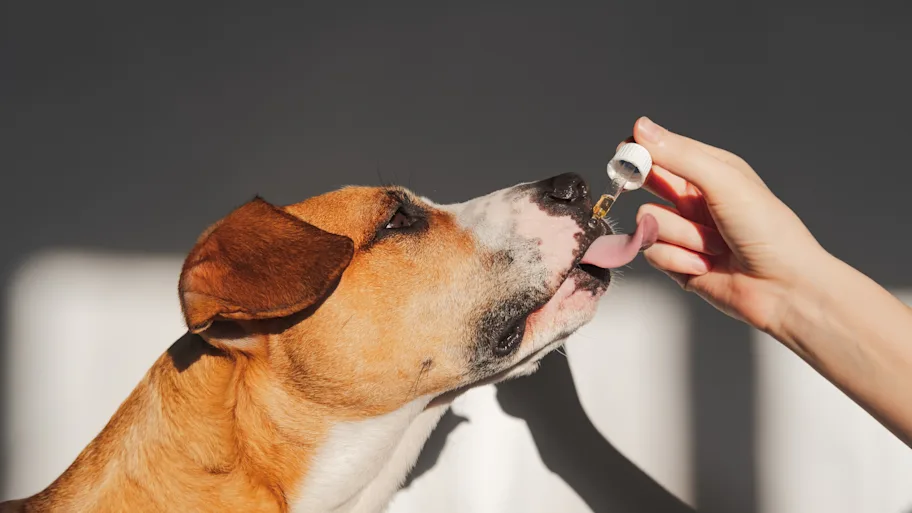
As pets grow older, their bodies naturally begin to slow down. Just like humans, aging dogs and cats may develop joint stiffness, reduced mobility, anxiety, and chronic discomfort. These changes can affect their overall quality of life.
In recent years, CBD (cannabidiol) has gained attention as a natural wellness option for pets dealing with age-related issues. Pet owners are increasingly exploring CBD products as a supportive supplement to help their aging companions remain comfortable and active.
This article explores how CBD works for pets, potential benefits for common age-related conditions, and what pet owners should know before considering it.
Understanding CBD and How It Works for Pets
CBD is a naturally occurring compound found in hemp plants. Unlike THC, the psychoactive compound in cannabis, CBD does not produce a “high.”
Pets, like humans, have an endocannabinoid system (ECS) that plays a role in maintaining internal balance. The ECS helps regulate several important bodily functions, including:
- Pain perception
- Inflammation response
- Mood and stress levels
- Sleep patterns
- Appetite
CBD interacts with this system by supporting receptors that help maintain balance in the body. This interaction is why CBD may provide relief for various age-related issues in pets.
Common Age-Related Problems in Pets
As pets age, they may experience several health challenges. While veterinary care remains essential, some owners use CBD alongside traditional treatments to support overall wellness.
1. Joint Pain and Arthritis
One of the most common problems in senior pets is arthritis. Degeneration of joint cartilage leads to stiffness, swelling, and difficulty moving.
Signs of joint issues may include:
- Difficulty climbing stairs
- Limping or stiffness after rest
- Reduced activity or playfulness
- Trouble standing up
CBD may help support comfort by interacting with inflammation pathways, potentially making movement easier for aging pets.
2. Anxiety and Cognitive Changes
Older pets sometimes develop cognitive dysfunction, which can lead to confusion, restlessness, and anxiety. Pets may appear disoriented, vocalize more often, or have disturbed sleep cycles.
CBD may support calm behavior by influencing receptors related to mood regulation.
3. Reduced Appetite
Senior pets occasionally lose interest in food due to digestive changes, dental issues, or illness. Maintaining a healthy appetite is essential for their overall strength.
Some pet owners report that CBD helps encourage normal eating habits by supporting the ECS functions that regulate hunger.
4. Chronic Discomfort
Long-term discomfort from aging muscles or internal conditions can reduce a pet’s enthusiasm for daily activities. CBD is often used as part of a wellness routine to support relaxation and comfort.
Potential Benefits of CBD for Senior Pets
While research is still developing, many veterinarians and pet owners observe several supportive effects when CBD is used responsibly.
Possible benefits include:
- Supporting joint flexibility and mobility
- Helping manage inflammation
- Encouraging relaxation in anxious pets
- Promoting better sleep patterns
- Supporting overall wellness in aging animals
It is important to understand that CBD is not a cure for medical conditions, but rather a supplement that may assist with symptom management.
Types of CBD Products for Pets
Pet CBD products come in several forms designed specifically for animals.
CBD Oils and Tinctures
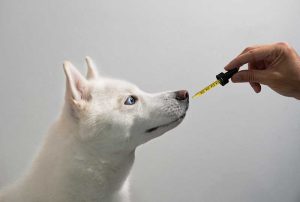
CBD oil is the most common option because it allows flexible dosing. Owners can place drops directly in the pet’s mouth or mix them with food.
CBD Treats
CBD-infused treats are convenient and appealing for pets that resist liquid supplements.
CBD Capsules
Capsules provide precise dosing but may be harder for some pets to swallow.
When selecting a product, look for items formulated specifically for pets, with clear labeling and verified ingredients.
Choosing a Safe CBD Product
Quality and transparency are extremely important when selecting CBD products for pets.
Pet owners should look for:
- Hemp-derived CBD with minimal THC
- Third-party lab testing for purity and potency
- Clearly labeled dosage information
- Products free from artificial additives or harmful ingredients
- Formulations designed for animals
Avoid human CBD products containing ingredients such as xylitol, chocolate, or essential oils, which can be harmful to pets.
Proper Dosage Considerations
CBD dosage typically depends on a pet’s weight, size, and health condition. Because every animal responds differently, it is best to start with a low dose and gradually adjust.
General guidelines include:
- Begin with a low dose and monitor your pet’s response
- Increase slowly if needed
- Follow manufacturer recommendations carefully
Consulting a veterinarian experienced with CBD use in animals can provide valuable guidance.
Are There Any Side Effects?
CBD is generally considered well tolerated in many pets, but mild side effects may occasionally occur.
Possible effects include:
- Drowsiness
- Dry mouth
- Temporary digestive upset
These effects are usually mild and may resolve once dosage is adjusted.
If a pet shows unusual symptoms, discontinue use and consult a veterinarian.
When to Talk to a Veterinarian
Veterinary guidance is essential before introducing CBD into a pet’s routine, particularly if the pet:
- Takes prescription medications
- Has liver or kidney issues
- Has a complex medical condition
- Is very elderly or frail
A veterinarian can help determine whether CBD may fit into a broader care plan.
Supporting Healthy Aging in Pets
CBD is only one part of maintaining a senior pet’s quality of life. Aging pets benefit most from a holistic care approach, including:
- Regular veterinary checkups
- Balanced nutrition
- Gentle exercise
- Comfortable sleeping areas
- Mental stimulation and companionship
When combined with proper care, CBD may serve as an additional tool to help aging pets remain comfortable and engaged in their daily routines.
FAQs
1. Is CBD safe for all pets?
CBD products designed specifically for animals are generally considered safe when used appropriately. However, each pet is different, and veterinary consultation is recommended before use.
2. Can CBD help senior cats as well as dogs?
Yes, CBD is commonly used for both dogs and cats. However, cats may require different formulations and dosage adjustments.
3. How long does it take for CBD to work in pets?
Effects can vary depending on the product and the pet’s metabolism. Some pets respond within 30–60 minutes, while others may need consistent use for several days.
4. Will CBD make my pet feel “high”?
No. CBD does not produce intoxicating effects because it contains little to no THC.
5. Can CBD replace prescription medications?
CBD should not replace prescribed treatments without veterinary approval. It is typically used as a complementary supplement.
6. How often should CBD be given to pets?
Many pet owners administer CBD once or twice daily, depending on the product and the pet’s needs.
7. What should I do if my pet accidentally consumes too much CBD?
While CBD overdoses are uncommon, excessive amounts may cause lethargy or digestive upset. Contact a veterinarian if you suspect your pet has consumed too much.