
 Jacob Asher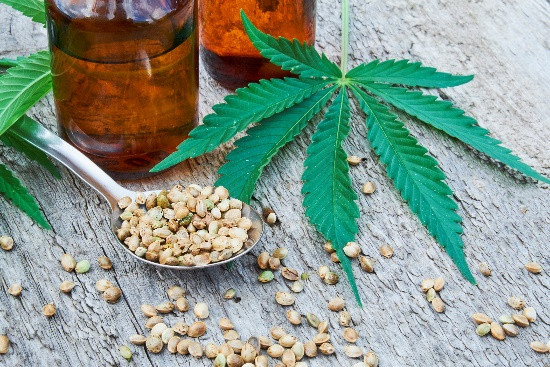
Over the past decade, CBD (cannabidiol) has emerged as one of the most discussed natural compounds in modern wellness. Derived from hemp plants, CBD is now found in a wide range of products including oils, capsules, skincare items, and wellness supplements.
As consumer awareness grows, the health industry has begun to explore CBD’s potential role in supporting various aspects of wellbeing. From clinical research to alternative therapies, CBD is influencing how healthcare providers, researchers, and wellness brands approach treatment and preventive care.
Understanding the broader impact of CBD helps reveal why it has become such a significant topic within the evolving healthcare landscape.
Understanding CBD and Its Biological Role
CBD is a naturally occurring compound found in cannabis plants, particularly industrial hemp. Unlike THC, CBD does not produce intoxicating effects.
The compound interacts with the body’s endocannabinoid system (ECS), a regulatory network that helps maintain balance across several physiological processes.
The ECS influences functions such as:
- Immune response
- Pain perception
- Mood regulation
- Sleep patterns
- Inflammatory response
Because this system affects many biological processes, researchers are exploring how CBD may support different aspects of human health.
Growing Acceptance in the Wellness Sector
One of the most visible impacts of CBD is its rapid adoption within the wellness and alternative health industry.
Consumers are increasingly seeking natural supplements that complement traditional healthcare approaches. CBD has become a popular option due to its plant-based origin and non-intoxicating properties.
Common wellness uses include:
- Supporting relaxation and stress management
- Promoting restful sleep
- Encouraging muscle recovery
- Supporting overall balance and wellbeing
This growing demand has encouraged health companies to expand research and product development related to cannabinoid-based wellness solutions.
Influence on Pharmaceutical Research
CBD has also gained attention within pharmaceutical research. Scientists are studying cannabinoids to better understand their potential therapeutic roles.
Several research areas include:
- Neurological conditions
- Inflammatory disorders
- Chronic pain management
- Anxiety-related conditions
- Epilepsy and seizure disorders
The approval of certain CBD-based medications has highlighted the compound’s medical potential and encouraged further clinical investigation.
Pharmaceutical companies are now investing in cannabinoid science to develop more targeted treatments based on the properties of CBD and related compounds.
Expansion of CBD-Based Health Products
The popularity of CBD has led to the development of numerous health-related products across different sectors.
Examples include:
Nutritional Supplements
CBD oils, capsules, and tinctures are commonly marketed as dietary supplements designed to support general wellness.
Skincare and Dermatology
CBD-infused creams, serums, and lotions have become common in the skincare industry. These products often focus on skin hydration, balance, and soothing properties.
Sports Recovery Products
Athletes and active individuals frequently use CBD-based products such as muscle creams and recovery balms after physical activity.
Mental Wellness Products
CBD supplements are also marketed to support stress management and emotional balance, contributing to the expanding mental wellness industry.
Shifting Perspectives in Healthcare
The growing interest in CBD has also influenced discussions within the broader healthcare community.
Medical professionals are increasingly evaluating cannabinoids as part of integrative healthcare strategies. This approach combines conventional treatments with complementary therapies.
While many healthcare providers emphasize the need for more scientific evidence, CBD has already encouraged:
- Expanded research funding
- New educational initiatives about cannabinoids
- Increased patient interest in plant-based therapies
These changes indicate a shift toward exploring new therapeutic options within modern medicine.
Economic Growth in the Health Industry
CBD has significantly influenced the global health and wellness market. The rapid expansion of CBD-related businesses has created opportunities across several industries.
Economic effects include:
- Growth in hemp cultivation
- Development of CBD-focused health brands
- Increased investment in cannabinoid research
- Expansion of retail wellness products
As regulatory frameworks evolve, CBD continues to shape the economic landscape of the health industry.
Regulatory Challenges and Industry Standards
Despite its rapid growth, the CBD sector still faces regulatory challenges. Governments and health agencies are working to establish clear rules regarding CBD production, labeling, and marketing.
Key regulatory concerns include:
- Product safety and purity
- Accurate labeling of CBD content
- Standardized manufacturing practices
- Consumer protection
Establishing consistent regulations is essential for ensuring product quality and maintaining consumer trust in CBD-based health products.
The Future of CBD in Healthcare
The future of CBD in the health industry will likely depend on scientific research, regulation, and consumer education.
Ongoing clinical studies aim to better understand how cannabinoids interact with the body and which conditions may benefit from CBD-based therapies.
Potential developments may include:
- More advanced cannabinoid-based medications
- Improved product standardization
- Greater collaboration between researchers and healthcare professionals
- Expanded public education about safe CBD use
As knowledge continues to grow, CBD may play an increasingly important role in both preventive wellness and medical treatment.
FAQs
1. How is CBD different from medical marijuana?
CBD is a non-intoxicating compound found in hemp and cannabis plants, while medical marijuana typically contains higher levels of THC, the compound responsible for psychoactive effects.
2. Why has CBD become popular in the health industry?
CBD’s popularity is largely due to its potential wellness benefits, natural origin, and lack of intoxicating effects.
3. Are CBD products regulated in the healthcare market?
Regulation varies by country and region. Many governments are still developing clear guidelines for CBD production, marketing, and distribution.
4. Can healthcare professionals recommend CBD products?
Some healthcare providers discuss CBD with patients, but recommendations often depend on local regulations and available clinical evidence.
5. Is CBD research still ongoing?
Yes, researchers continue to study CBD to better understand its effects, safety profile, and possible therapeutic applications.
6. Are CBD products considered medicines or supplements?
Depending on the product and region, CBD may be classified as a dietary supplement, wellness product, or pharmaceutical medication.
7. Will CBD continue to influence the health industry in the future?
Given the current level of research and market demand, CBD is expected to remain an important topic in healthcare innovation and wellness development.