
 Jacob Asher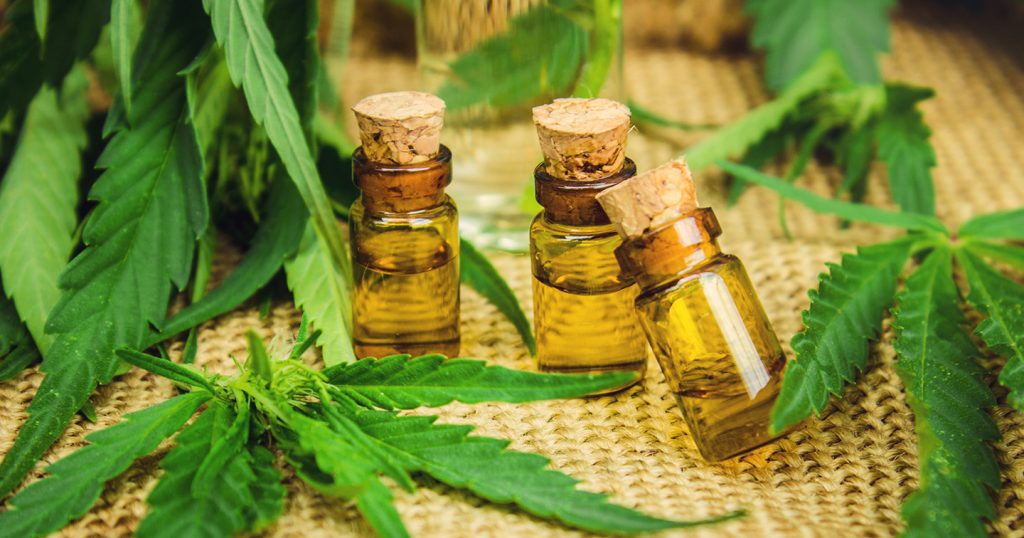
The global wellness industry is rapidly evolving, and hemp-derived CBD (cannabidiol) has emerged as one of its most influential segments. Extracted from industrial hemp, CBD has gained attention for its potential therapeutic properties without the psychoactive effects associated with THC.
In recent years, CBD products have expanded from niche health supplements to mainstream offerings found in pharmacies, cosmetic brands, and even food products. As regulations evolve and research deepens, the future of hemp-derived CBD products is expected to reshape the health, wellness, and consumer goods industries.
Understanding Hemp-Derived CBD
CBD is a naturally occurring compound found in the hemp plant. Unlike marijuana, industrial hemp contains very low levels of THC (typically below 0.3%), making hemp-derived CBD products non-intoxicating.
Hemp-based CBD products are commonly extracted using advanced techniques such as CO₂ extraction or ethanol extraction, which help preserve cannabinoids and beneficial plant compounds.
Common Types of CBD Products
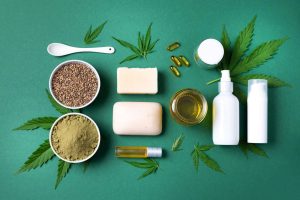
Consumers today can choose from a wide range of CBD formulations, including:
- CBD oils and tinctures
- Capsules and softgels
- Topical creams and balms
- CBD gummies and edibles
- CBD beverages
- Pet wellness products
This diversity has played a major role in the market’s expansion.
Key Trends Shaping the Future of CBD
1. Growing Scientific Research
One of the most significant drivers of the CBD market is the increase in clinical and medical research. Scientists continue to explore CBD’s potential effects on areas such as:
- Chronic pain management
- Anxiety and stress relief
- Sleep disorders
- Inflammation and recovery
- Neurological conditions
As more peer-reviewed research becomes available, consumer confidence and medical acceptance are likely to grow.
2. Regulatory Clarity and Standardization
Regulation has long been a challenge for CBD products. However, many countries are now working toward clearer frameworks.
Future developments may include:
- Standardized labeling requirements
- Quality and safety testing protocols
- Dosage guidelines
- Global trade standards
Improved regulation could significantly enhance consumer trust and industry stability.
3. Integration into Mainstream Wellness
CBD is increasingly being incorporated into everyday wellness products. Beyond traditional supplements, companies are exploring innovative product categories.
Emerging areas include:
- CBD skincare and beauty products
- Functional beverages and wellness drinks
- Athletic recovery products
- Sleep-support formulas
- Stress-management supplements
This integration suggests CBD may become a standard ingredient in holistic health routines.
4. Advanced Extraction and Formulation Technologies
Technological innovation is helping improve the quality and effectiveness of CBD products. Companies are investing in advanced techniques to create more consistent, bioavailable, and targeted formulations.
Examples include:
- Nano-emulsified CBD for faster absorption
- Water-soluble CBD for beverages
- Full-spectrum and broad-spectrum extracts
- Customized cannabinoid blends
These innovations allow manufacturers to tailor products for specific health and wellness goals.
5. Sustainability and Hemp Agriculture
Industrial hemp is widely considered an environmentally friendly crop. It requires:
- Less water than many traditional crops
- Minimal pesticides
- Short growing cycles
As sustainability becomes a priority for consumers, hemp cultivation may play a larger role in regenerative agriculture and eco-friendly product development.
Market Growth and Economic Potential
The hemp-derived CBD industry has experienced rapid global growth over the past decade. Several factors contribute to its continued expansion:
- Increasing consumer awareness of natural wellness options
- Expanding retail availability
- Growing investment in cannabis and hemp industries
- Legalization of hemp cultivation in multiple regions
Experts predict the CBD sector will continue to evolve as new markets, products, and distribution channels emerge.
Challenges the Industry Must Overcome
Despite its growth, the CBD industry still faces several obstacles.
Regulatory Uncertainty
Different countries and regions maintain varying legal frameworks for CBD, making international trade and compliance complex.
Quality Control Issues
Some products on the market have faced criticism for:
- Inaccurate labeling
- Contamination risks
- Inconsistent cannabinoid concentrations
Stronger industry standards will be essential to maintain credibility.
Consumer Education
Many consumers still misunderstand CBD, including:
- Differences between hemp and marijuana
- Appropriate dosing
- Potential interactions with medications
Providing clear, evidence-based information will be vital for the industry’s future.
The Role of Innovation in the Next Decade
The next phase of the CBD industry will likely be driven by innovation and specialization. Instead of generic products, companies may develop targeted formulas designed for specific uses.
Future possibilities include:
- Personalized CBD wellness plans
- Pharmaceutical-grade cannabinoid medicines
- CBD products combined with adaptogens or botanicals
- Smart delivery systems for controlled dosing
These developments could move CBD from a simple supplement to a science-driven wellness solution.
Conclusion
Hemp-derived CBD products are transitioning from a niche wellness trend into a significant segment of the global health industry. Advances in research, improved regulations, technological innovation, and sustainable hemp farming are all shaping the future of this rapidly growing market.
While challenges remain, the long-term outlook for CBD appears promising. As scientific understanding and consumer awareness continue to expand, hemp-derived CBD products are likely to become a permanent part of modern wellness and healthcare ecosystems.
FAQ: Hemp-Derived CBD Products
1. What is the difference between hemp-derived CBD and marijuana-derived CBD?
Hemp-derived CBD comes from industrial hemp plants containing very low THC levels (typically under 0.3%), while marijuana-derived CBD may contain higher THC levels and can produce psychoactive effects.
2. Are hemp-derived CBD products legal worldwide?
Legality varies by country and region. Some nations allow CBD products with low THC levels, while others maintain stricter cannabis regulations.
3. How long does CBD stay in the body?
CBD can remain in the body for several days to weeks depending on factors such as dosage, metabolism, body weight, and frequency of use.
4. What is the difference between full-spectrum, broad-spectrum, and CBD isolate?
- Full-spectrum: Contains CBD plus other cannabinoids and trace THC
- Broad-spectrum: Contains multiple cannabinoids but no THC
- CBD isolate: Pure CBD with no other plant compounds
5. Can CBD products cause side effects?
Some users may experience mild side effects such as fatigue, dry mouth, or changes in appetite. Consulting a healthcare professional is recommended before starting CBD.
6. How should CBD products be stored?
CBD products should be stored in a cool, dark place away from sunlight and heat to maintain potency and shelf life.
7. Can CBD be used alongside other supplements?
CBD can sometimes interact with medications or supplements. It is advisable to consult a healthcare provider before combining CBD with other treatments.