
 Jacob Asher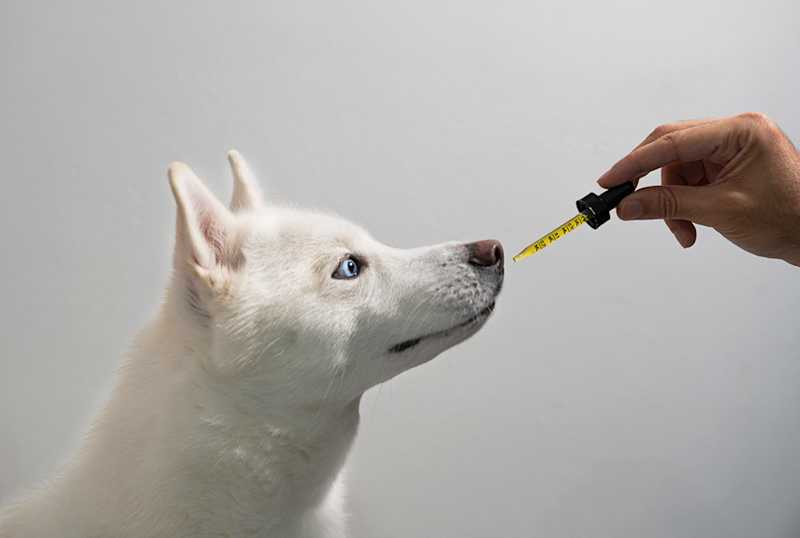
The growing interest in natural wellness solutions has expanded beyond humans to include pets. In recent years, CBD (cannabidiol) products for animals have gained popularity among pet owners seeking alternative ways to support their pets’ health and comfort.
Derived from industrial hemp, CBD is a non-psychoactive compound that interacts with the body’s endocannabinoid system, which helps regulate various physiological processes. While research in veterinary medicine is still evolving, early studies and anecdotal evidence suggest that CBD may support overall wellness, mobility, and relaxation in pets.
Understanding CBD for Pets
CBD used in pet products is typically extracted from hemp plants that contain very low levels of THC, the compound responsible for psychoactive effects in cannabis. Responsible manufacturers ensure that pet CBD products contain minimal or no THC, making them safe when used appropriately.
Animals such as dogs, cats, and even horses possess an endocannabinoid system, similar to humans. This biological system helps regulate functions like mood, sleep, appetite, immune response, and pain perception.
When CBD interacts with receptors in this system, it may help support balance within the body, also known as homeostasis.
Potential Wellness Benefits for Pets
1. Supporting Joint Mobility and Comfort
As pets age, joint stiffness and reduced mobility become common concerns. CBD is often explored as a natural option to support joint health and physical comfort.
Pet owners commonly use CBD to help with:
- Age-related joint stiffness
- Physical recovery after activity
- Maintaining mobility in senior pets
While CBD is not a cure for joint conditions, it may contribute to improved comfort and flexibility.
2. Promoting Calm Behavior
Many pets experience stress triggered by changes in their environment. Situations such as travel, loud noises, or separation from owners can cause anxiety.
CBD may help promote a sense of calm during stressful situations, including:
- Thunderstorms or fireworks
- Veterinary visits
- Car travel
- Separation anxiety
By supporting relaxation, CBD products may help pets remain more comfortable and emotionally balanced.
3. Supporting Healthy Sleep Patterns
Just like humans, pets can sometimes experience sleep disturbances. CBD’s calming properties may contribute to more stable sleep cycles, particularly in aging animals.
Improved rest can support:
- Energy levels
- Recovery after activity
- Overall mood and well-being
4. Encouraging Appetite and Digestive Balance
Some pets experience occasional appetite loss due to stress, illness, or medication. CBD may interact with receptors that influence digestive function and appetite regulation.
Pet owners sometimes use CBD to help support:
- Healthy appetite
- Digestive comfort
- Nutrient absorption
However, professional veterinary guidance is recommended when appetite issues persist.
Common Types of CBD Products for Pets

The pet CBD market offers a wide range of products designed to suit different animals and preferences.
Popular CBD Pet Products
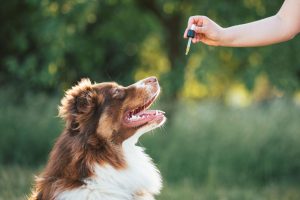
- CBD Oil Tinctures
- Administered directly into the mouth or mixed with food
- Allows flexible dosage adjustments
- CBD Pet Treats
- Flavored chewables designed for easy consumption
- Convenient for daily use
- CBD Capsules
- Pre-measured doses for consistent supplementation
- CBD Topicals
- Applied to the skin or paws
- Often used for localized comfort
Choosing the right product depends on the pet’s size, health needs, and preferences.
How to Choose Quality CBD for Pets
Not all CBD products are created equal. Selecting a high-quality product is essential for both safety and effectiveness.
Key Factors to Consider
1. Third-Party Lab Testing
Reputable brands provide independent lab reports that verify:
- CBD concentration
- THC levels
- Absence of contaminants
2. Hemp Source
High-quality CBD products typically use organically grown hemp cultivated without harmful pesticides.
3. Clear Ingredient Labels
Pet formulas should contain simple ingredients without artificial additives or unnecessary fillers.
4. THC-Free or Low-THC Formulations
Pets are more sensitive to THC, so products should contain negligible amounts or none at all.
Proper Dosage and Safety Considerations
CBD dosage varies depending on several factors, including:
- Pet size and weight
- Age
- Overall health condition
- Product concentration
A common guideline is to start with a low dose and gradually increase if necessary while observing the pet’s response.
Important Safety Tips
- Always consult a licensed veterinarian before introducing CBD.
- Avoid products formulated for humans unless specifically approved for animals.
- Monitor pets for any unusual reactions such as excessive drowsiness or digestive upset.
Responsible use and professional guidance help ensure safe and beneficial outcomes.
The Growing Role of CBD in Pet Wellness
The pet wellness industry continues to evolve as consumers seek natural, holistic approaches to animal care. CBD is becoming part of a broader movement toward plant-based solutions and preventative wellness strategies.
Future developments may include:
- Expanded veterinary research
- Improved dosing guidelines
- Specialized formulations for different species
- Veterinary-approved cannabinoid therapies
As scientific knowledge grows, CBD may become a more widely accepted option for supporting animal health and quality of life.
Conclusion
CBD for pets represents an emerging area of natural wellness that continues to gain attention among veterinarians, researchers, and pet owners. While research is still developing, early findings suggest CBD may support mobility, relaxation, sleep, and overall well-being in animals.
Choosing high-quality products, following proper dosing practices, and consulting with veterinary professionals are essential steps to ensure safe use. With ongoing scientific exploration and responsible product development, CBD may play an increasingly important role in supporting the health and comfort of pets.
FAQ: CBD for Pets and Wellness
1. Is CBD safe for all types of pets?
CBD is most commonly used for dogs and cats, but some products are also designed for horses and small animals. Veterinary guidance is recommended before giving CBD to any pet.
2. How long does it take for CBD to affect pets?
Effects may begin within 30 minutes to 2 hours, depending on the product type, dosage, and the animal’s metabolism.
3. Can CBD make pets feel “high”?
No. Properly formulated pet CBD products contain little to no THC, so they do not cause psychoactive effects.
4. Can pets develop tolerance to CBD?
Some animals may require dosage adjustments over time, but CBD does not typically create dependency when used appropriately.
5. Are CBD treats as effective as CBD oil for pets?
Both can be effective. Oils allow more precise dosing, while treats provide convenience and better palatability.
6. Can CBD help pets during travel?
Some pet owners use CBD before travel to help promote calm behavior and reduce stress, though results can vary.
7. Should CBD replace veterinary treatments?
No. CBD should be viewed as a complementary wellness supplement, not a replacement for professional veterinary care or prescribed medications.