
 Jacob Asher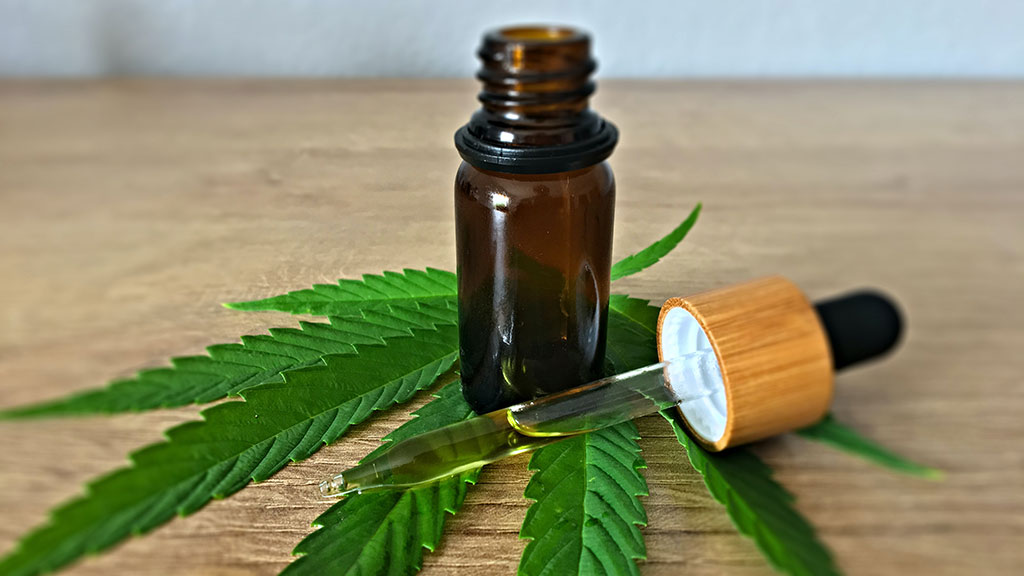
Pain is one of the most common health concerns affecting people worldwide. Whether caused by injury, inflammation, or chronic conditions, persistent pain can significantly reduce quality of life. While conventional medications such as anti-inflammatory drugs and opioids are widely used, many individuals are now exploring natural pain management alternatives to support long-term wellness.
Among these alternatives, CBD (cannabidiol) has attracted growing attention for its potential to support pain relief and inflammation management. Derived from the hemp plant, CBD is a non-intoxicating compound that interacts with the body’s natural regulatory systems.
Understanding how CBD works and how it fits within broader natural pain management strategies can help individuals make more informed wellness decisions.
Understanding CBD and Its Role in Pain Management
CBD is one of more than 100 cannabinoids found in the hemp plant. Unlike THC, CBD does not produce psychoactive effects. Instead, it interacts with the body’s endocannabinoid system (ECS), a network of receptors that helps regulate functions such as:
- Pain perception
- Inflammation
- Sleep cycles
- Mood balance
- Immune response
By influencing ECS receptors, CBD may help support the body’s ability to manage discomfort and maintain internal balance.
Research continues to explore CBD’s potential role in managing different types of pain, including inflammatory pain and nerve-related discomfort.
Types of Pain CBD May Help Support
1. Inflammatory Pain
Inflammation is the body’s natural response to injury or infection, but chronic inflammation can contribute to ongoing pain.
CBD may help support the body’s response to inflammation, which may benefit individuals dealing with:
- Arthritis discomfort
- Muscle soreness
- Joint stiffness
- Post-exercise inflammation
2. Neuropathic Pain
Neuropathic pain occurs when nerves become damaged or dysfunctional. This type of pain may cause burning, tingling, or shooting sensations.
Some studies suggest CBD may influence receptors involved in nerve signaling, which may help support nerve-related pain management.
3. Muscle and Recovery Pain
Athletes and physically active individuals often experience soreness due to muscle strain and tissue recovery.
CBD is commonly used to support:
- Muscle recovery after exercise
- Reduced soreness
- Relaxation of tight muscles
4. Chronic Pain Conditions
Chronic pain can result from long-term health conditions and often requires ongoing management strategies.
CBD is sometimes used as part of a holistic pain management approach, combined with lifestyle changes and complementary therapies.
Natural Pain Management Alternatives
While CBD is gaining attention, it is often most effective when combined with other natural wellness strategies. Many people adopt a multi-faceted approach to pain management.
1. Herbal Anti-Inflammatory Remedies
Certain plant-based compounds are known for their natural anti-inflammatory properties.
Common examples include:
- Turmeric (curcumin)
- Ginger extract
- Boswellia (Indian frankincense)
- Willow bark
These herbs have been traditionally used to support joint health and inflammation management.
2. Physical Therapies
Movement-based therapies help improve flexibility, circulation, and muscle strength.
Examples include:
- Yoga and stretching
- Physical therapy
- Massage therapy
- Chiropractic care
These approaches can help reduce pain by improving body mechanics and muscle balance.
3. Acupuncture
Acupuncture is a traditional therapy that involves inserting thin needles into specific points on the body. It is believed to stimulate nerves and influence pain pathways.
Many individuals report improvements in conditions such as:
- Back pain
- Headaches
- Neck tension
- Joint discomfort
4. Essential Oils and Aromatherapy
Certain essential oils are used for relaxation and mild pain relief. Popular options include:
- Peppermint oil
- Lavender oil
- Eucalyptus oil
- Rosemary oil
These oils may help support relaxation, which can indirectly help reduce pain perception.
Common CBD Products for Pain Relief
CBD products come in several forms, allowing users to choose the method that fits their lifestyle and needs.
Popular CBD Options
CBD Oil Tinctures
- Taken sublingually (under the tongue)
- Allows relatively fast absorption
CBD Topicals
- Creams, balms, and lotions applied directly to the skin
- Often used for localized muscle or joint discomfort
CBD Capsules
- Convenient pre-measured doses
- Suitable for consistent daily supplementation
CBD Edibles
- Gummies or infused foods
- Slower absorption but longer-lasting effects
The choice of product often depends on personal preference and the type of pain being addressed.
Safety and Responsible Use
While CBD is generally well tolerated, it is important to use it responsibly and with awareness.
Important Considerations
- Consult a healthcare professional before using CBD, especially if taking medications
- Start with low doses and increase gradually if needed
- Choose products with third-party lab testing
- Ensure the product contains minimal or no THC
Potential side effects may include mild fatigue, dry mouth, or digestive discomfort in some individuals.
The Future of Natural Pain Relief
Interest in natural health solutions continues to grow as people look for alternatives to long-term pharmaceutical use. CBD, along with other holistic therapies, is becoming part of a broader integrative approach to pain management.
Future developments may include:
- More clinical studies on cannabinoids and pain
- Advanced CBD formulations with improved absorption
- Personalized wellness programs combining multiple therapies
- Increased medical guidance for cannabinoid use
As scientific research progresses, CBD may become an increasingly recognized tool within comprehensive pain management strategies.
Conclusion
CBD has emerged as a promising option within the expanding field of natural pain management. By interacting with the body’s endocannabinoid system, it may help support the body’s response to inflammation, muscle soreness, and nerve discomfort.
However, CBD works best when integrated into a holistic wellness approach that includes healthy lifestyle habits, physical therapies, and natural remedies. Responsible use, product quality, and professional guidance remain essential to achieving safe and effective results.
With continued research and growing awareness, CBD and natural pain management alternatives are likely to play a larger role in modern wellness practices.
FAQ: CBD and Natural Pain Management
1. How quickly does CBD work for pain relief?
The onset time depends on the product type. Oils taken under the tongue may work within 30–60 minutes, while edibles can take longer.
2. Can CBD be used alongside traditional pain medications?
CBD may interact with certain medications, so it is important to consult a healthcare professional before combining treatments.
3. Is topical CBD effective for joint pain?
Many people use CBD creams and balms for localized relief in joints and muscles, though individual responses may vary.
4. Does CBD work better than traditional painkillers?
CBD is not necessarily a replacement for prescription medications but may serve as a complementary wellness option.
5. Can CBD help with post-workout recovery?
Athletes sometimes use CBD to support muscle recovery and inflammation management after intense physical activity.
6. Are there lifestyle habits that improve natural pain management?
Yes. Regular exercise, balanced nutrition, quality sleep, and stress management all contribute to better pain control.
7. How should beginners start using CBD for pain?
Beginners should start with a low dose, choose reputable products, and monitor how their body responds before adjusting dosage.