
 Jacob Asher
Introduction
Proper storage of bulk CBD products is essential for maintaining their quality, potency, and shelf life. Whether you’re dealing with CBD oils, tinctures, edibles, or flower, improper storage can lead to degradation, loss of effectiveness, and even financial losses. Factors such as temperature, light exposure, humidity, and packaging all play a role in how well CBD products maintain their integrity over time. In this guide, we’ll cover best practices for storing different types of bulk CBD products, the most common storage mistakes, and how to ensure long-term quality preservation.
Understanding what affects CBD stability
CBD and other cannabinoids are highly sensitive to environmental conditions. Heat, light, oxygen, and moisture can all contribute to the breakdown of cannabinoids and terpenes, reducing the effectiveness of the product. Exposure to direct sunlight or high temperatures accelerates degradation, while excessive moisture can lead to mold growth, particularly in CBD flower and edibles. Oxidation is another factor that can impact CBD potency, making airtight packaging a crucial element of proper storage.
Best practices for storing different types of bulk CBD products
CBD oil and tinctures: Store CBD oils and tinctures in dark glass containers to prevent light exposure. Keep them in a cool, dry place away from direct heat sources. Ideally, CBD oils should be stored at temperatures between 15-25°C (59-77°F). Refrigeration can extend shelf life, but freezing should be avoided as it may cause separation of ingredients.
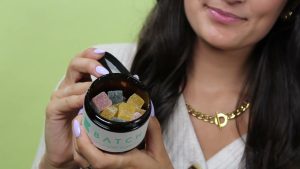
CBD edibles: Edible CBD products, such as gummies and chocolates, require airtight packaging to prevent exposure to moisture and air. Storing them in a cool, dry place away from direct sunlight is essential. For products with perishable ingredients, refrigeration may be necessary.
CBD topicals and creams: Temperature fluctuations can impact the consistency of CBD-infused creams and balms. Store them in a stable, cool environment to prevent separation of ingredients. Avoid leaving them in direct sunlight, as UV exposure can degrade the active compounds.
CBD flower and pre-rolls: Hemp flower and pre-rolls should be stored in airtight glass jars with humidity control packs to prevent overdrying or mold growth. Optimal humidity levels for CBD flower range between 55-62%. Keep them in a dark, cool space to preserve terpenes and cannabinoids.
CBD capsules and softgels: Capsules and softgels should be stored in their original packaging, away from humidity and extreme temperatures. Avoid storing them in the bathroom or kitchen, where heat and moisture levels fluctuate frequently.
Choosing the right packaging for long-term storage
Selecting the right packaging plays a crucial role in preserving CBD quality. Dark glass containers are ideal for oils and tinctures, as they block out harmful UV rays. Vacuum-sealed bags work well for bulk CBD flower, reducing oxygen exposure. Moisture-resistant, airtight containers are a must for CBD edibles and capsules to prevent contamination and degradation. Some bulk CBD suppliers also use nitrogen flushing, a technique that removes oxygen from packaging to enhance freshness and extend shelf life.
Avoiding common storage mistakes
One of the most common mistakes businesses make is storing CBD products near heat sources, such as radiators, ovens, or direct sunlight. High temperatures can quickly degrade cannabinoids, making the product less effective. Another mistake is using improper containers, such as clear plastic, which does not provide adequate protection from light and oxygen. Storing CBD in humid environments can also lead to mold growth, particularly for flower and edibles. Additionally, failing to track expiration dates can result in selling or using products past their prime, leading to decreased customer satisfaction.
How to monitor and extend shelf life
To ensure your bulk CBD products maintain their potency, implement batch tracking systems that monitor storage conditions and expiration dates. Proper labeling, including recommended storage conditions, can help businesses and customers preserve product quality. Regular third-party lab testing can verify cannabinoid content over time, ensuring compliance and efficacy. Seasonal changes in temperature and humidity may also require adjustments in storage methods, such as using dehumidifiers in humid climates.
Partnering with a reputable supplier of CBD products that prioritizes high-quality packaging and storage recommendations can further ensure long-term product stability. Suppliers with experience in bulk CBD sales can also provide guidance on best storage practices tailored to specific product types.
Conclusion
Storing bulk CBD products correctly is crucial for maintaining their quality, potency, and effectiveness. Factors such as light exposure, temperature fluctuations, humidity, and proper packaging all play a role in extending shelf life. By following best practices, businesses can minimize product degradation and financial losses while ensuring customers receive high-quality CBD products. Investing in proper storage solutions and staying informed about best practices will not only protect inventory but also build trust with consumers, reinforcing your brand’s reputation in the competitive CBD market.