
 Jacob Asher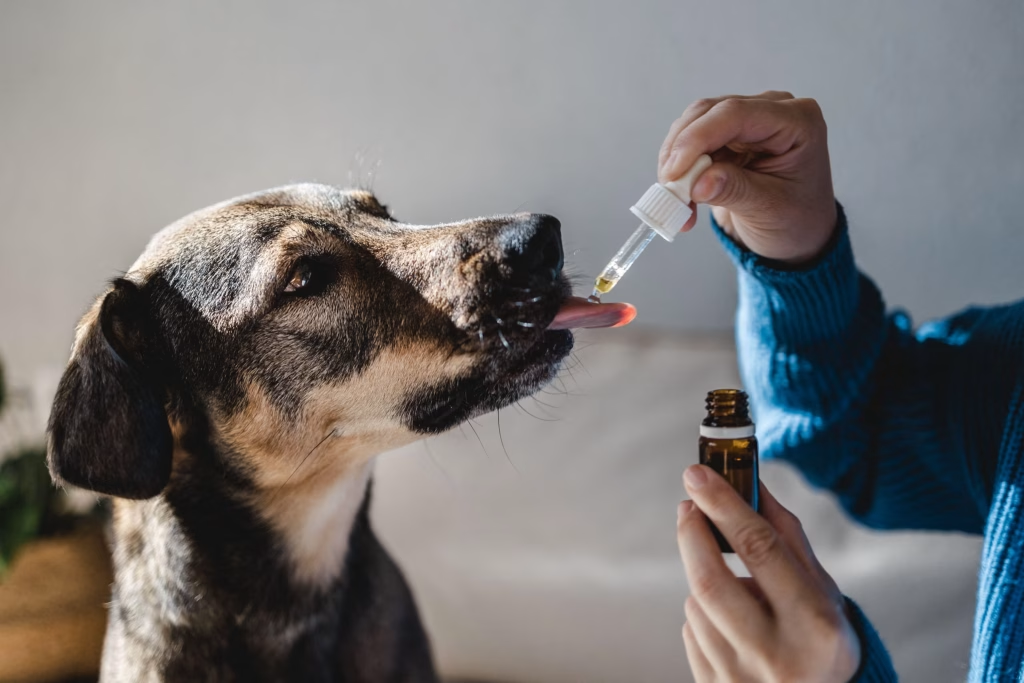
Understanding How CBD Can Help Pets Recover
Recovery after illness, surgery, or injury can be a challenging period for pets. During this time, many pet owners look for supportive options that promote comfort and help animals regain strength. One option gaining attention is CBD (cannabidiol), a natural compound derived from the hemp plant.
CBD is widely researched for its potential anti-inflammatory, calming, and pain-relieving properties. When formulated specifically for animals, CBD products may help support recovery by improving comfort levels and encouraging normal behavior such as eating, resting, and gentle activity.
Importantly, CBD products designed for pets contain little to no THC, the psychoactive compound in cannabis. This means pets do not experience the “high” associated with marijuana.
What Happens During Pet Recovery?
Recovery varies depending on the condition a pet is facing. Common scenarios include:
- Post-surgical healing
- Muscle or joint injuries
- Chronic inflammatory conditions
- Stress after illness or hospitalization
- Age-related recovery challenges
During these periods, pets may experience discomfort, reduced mobility, anxiety, or sleep disruptions. Supportive care focuses on reducing these issues while promoting the body’s natural healing processes.
CBD may play a role as a complementary wellness tool, not as a replacement for veterinary treatment.
How CBD Interacts With a Pet’s Body
Like humans, dogs and cats have an endocannabinoid system (ECS). This biological system helps regulate many bodily functions such as:
- Pain perception
- Immune response
- Inflammation levels
- Mood and stress
- Sleep cycles
CBD interacts with receptors in this system, potentially helping the body maintain balance and stability during recovery.
Research in veterinary medicine is still developing, but early studies and anecdotal evidence suggest that CBD may support healing by influencing these biological pathways.
Potential Benefits of CBD for Recovering Pets
While results vary between animals, many pet owners and veterinarians report several possible benefits.
Pain and Discomfort Support
CBD may help manage mild to moderate discomfort by influencing receptors involved in pain signaling and inflammation. This can be helpful during recovery from surgery or injury.
Reduced Inflammation
Inflammation is a natural healing response, but excessive inflammation can slow recovery. CBD may assist in maintaining a balanced inflammatory response, allowing tissues to heal more efficiently.
Improved Mobility
Pets recovering from orthopedic procedures or joint injuries may experience stiffness. CBD may help encourage gentler movement and improved comfort during activity.
Stress and Anxiety Reduction
Recovery can be stressful for animals. Changes in routine, restricted activity, or veterinary visits can trigger anxiety. CBD’s calming properties may promote relaxation and emotional balance.
Better Sleep
Quality rest is essential for healing. CBD may help pets relax and maintain healthier sleep cycles, which supports physical recovery.
Types of CBD Products for Pets
CBD products designed specifically for animals come in several forms.
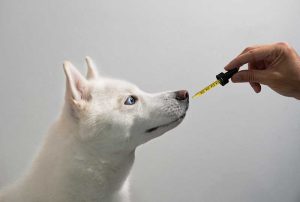
CBD Oils and Tinctures
These are among the most common options. They are typically administered:
- Directly into the mouth
- Mixed with food
- Placed on treats
Advantages:
- Easy dosage adjustment
- Fast absorption
- Flexible administration
CBD Treats
CBD-infused treats combine wellness support with convenience. They can be especially helpful for pets that resist oils.
Advantages:
- Simple dosing
- Appealing flavors
- Stress-free administration
Topical CBD Products
Creams or balms may be applied to areas experiencing localized discomfort such as sore joints or irritated skin.
Advantages:
- Targeted relief
- Non-ingested option
Choosing High-Quality CBD for Pets
Not all CBD products are equal. Pet owners should prioritize quality and safety when selecting products.
Look for the following features:
- Hemp-derived CBD with minimal THC
- Third-party lab testing
- Clear ingredient lists
- Veterinary-friendly formulations
- No artificial additives or toxic ingredients
Avoid products containing substances harmful to pets such as xylitol or excessive essential oils.
Safe Usage and Dosage Guidelines
Before giving CBD to a pet, it is best to consult a veterinarian, especially if the animal:
- Is recovering from surgery
- Takes prescription medications
- Has liver or kidney conditions
- Is elderly or very young
Typical dosing depends on factors such as:
- Pet weight
- Age
- Condition being addressed
- CBD concentration
A veterinarian can help determine a safe starting dose and gradual adjustments if necessary.
Situations Where CBD May Support Recovery
CBD may be considered as part of a recovery plan in several situations:
- Post-operative healing
- Arthritis flare-ups
- Soft-tissue injuries
- Anxiety during recovery confinement
- Appetite support after illness
When combined with proper veterinary care, nutrition, and rest, CBD may provide an extra layer of support during the healing process.
Final Thoughts
CBD is emerging as a promising wellness supplement for pets, particularly during recovery periods when comfort, calmness, and mobility are essential. While it is not a cure-all, responsible use of high-quality CBD products may help pets navigate healing more comfortably.
Pet owners should always prioritize veterinary guidance and product transparency to ensure their companion receives safe and effective support.
FAQ: CBD and Pet Recovery Support
1. How long does CBD take to work in pets?
CBD effects may appear within 30 minutes to 2 hours, depending on the product type, dosage, and the pet’s metabolism.
2. Is CBD safe for both dogs and cats?
Yes, CBD formulated specifically for pets is generally considered safe for both dogs and cats, provided it contains minimal THC and is given in proper doses.
3. Can CBD replace pain medication after pet surgery?
CBD should not replace prescribed medications without veterinary approval. It is typically used as a complementary support option.
4. Are there side effects of CBD in pets?
Possible side effects may include mild drowsiness, dry mouth, or digestive upset, especially at higher doses.
5. How often can pets take CBD during recovery?
Most CBD products are administered once or twice daily, but dosage frequency should follow veterinary recommendations.
6. Can CBD help older pets recover from injuries?
Senior pets may benefit from CBD due to its potential support for joint comfort, inflammation balance, and relaxation.
7. What should pet owners check on a CBD product label?
Look for **CBD concentration, third-party